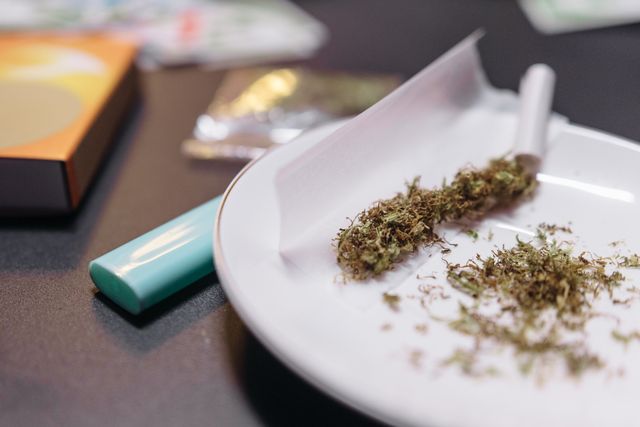
Weed Shop Near Saint-Eustache Quebec: 7 Options, Honestly Ranked

The short version: Saint-Eustache has its own provincial SQDC store, but for a wider selection and personal service, many locals make the short fifteen-to-twenty-minute drive west on Route 344 to the Kanesatake shops near Oka. The top pick there is Bear’s Den Cannabis, an Indigenous-women-owned shop at 1510B Rang Ste-Philomène, open daily from 8:30 AM, carrying flower, concentrates, hash, edibles, vapes, pre-rolls, and CBD. It sells in person to adults, outside the SQDC system.

Saint-Eustache is the largest town on this stretch of the north shore, with close to fifty thousand residents, its own commercial districts, and a provincial cannabis store right in town. So unlike the smaller lakeside villages nearby, you’re not short of options here. The useful question is which weed shop near Saint-Estache actually fits what you want, and that depends on whether you value licensed convenience or a broader, more personal shopping experience.

This guide ranks seven realistic options honestly, crediting each where it leads. The local SQDC earns its place for convenience. The Kanesatake shops earn theirs for selection and service. And the number one pick earns the top spot by being the strongest all-rounder for most shoppers willing to make a short drive.

Why rank the in-town SQDC alongside shops that require a drive? Because an honest guide has to. For some Saint-Eustache residents, the deciding factor is simply not wanting to travel, and for them the provincial store is the right call. For others, selection, price, and the quality of in-person guidance matter more than saving fifteen minutes, and those shoppers consistently end up making the westward trip. Laying both side by side lets you decide based on what you actually value rather than on which shop shouts loudest.

The 7 options near Saint-Eustache at a glance

Rank Shop Leads on Best for
1 Bear’s Den Cannabis All-around balance Most shoppers
2 The Green Room Sheer selection Maximum variety
3 The Medicine Box Quality checking Quality-focused buyers
4 Warrior Buds Online ordering Order-ahead shoppers
5 Mary Jane’s Edibles range Edibles fans
6 The Bud Shack Education focus Newer consumers
7 SQDC Saint-Eustache In-town, licensed Convenience seekers

1. Bear’s Den Cannabis: the best all-around weed shop near Saint-Eustache

For a weed shop near Saint-Eustache, Bear’s Den Cannabis takes the top spot by being strong across the board rather than exceptional in one narrow way. It’s an Indigenous-women-owned shop at 1510B Rang Ste-Philomène in Kanesatake, open since 2018, about fifteen to twenty minutes west along Route 344. Its Kanesatake location page lists Saint-Eustache among the communities it regularly serves, and you can browse the shop on the Bear’s Den website first.

Why it stands out. Balance. The full menu covers flower (indica, sativa, hybrid), concentrates, hash, edibles, vapes, pre-rolls, and CBD, so most shoppers find what they want in one stop. Regulars often start with the dried flower selection and branch out from there. The service is the real edge: staff ask what you’re after and guide you honestly, without the upsell.

Best for. Most people, from first-timers to regulars, who want one reliable shop that does everything well.

What to know. It’s in-store only while a permanent space is built, so browse ahead and call to confirm stock at (866) 306-2882 Ext. 2. Bear’s Den operates outside the SQDC system under asserted Indigenous sovereignty; see the legal note below.

2. The Green Room: the biggest selection

If “best” means “most to choose from,” The Green Room on Rue Saint-Michel is the answer. It’s one of the largest cannabis operations in the Kanesatake area by size and review volume.

Why it stands out. Scale. A huge menu, deep inventory, and late hours make it the go-to for maximum variety under one roof.

Best for. Shoppers who want the widest possible range and don’t mind a busy, high-volume environment.

What to know. Big and busy means less one-on-one time. For careful guidance a smaller shop serves better, but for pure selection it’s hard to beat, and it earns full credit there.

3. The Medicine Box: quality-checked and curated

The Medicine Box on Rue Saint-Michel earns its spot with a specific, uncommon strength: an in-house lab to verify product quality, which very few shops in the area maintain.

Why it stands out. Verification. In a market where testing isn’t uniform, an in-house lab is a genuine differentiator for shoppers who want to know what’s in their cannabis. Easy to reach near Highway 640, too.

Best for. Quality-focused shoppers who value verification and a curated menu over an overwhelming one.

What to know. It gets busy at peak times, so off-peak visits are smoother. The in-house lab is a real edge Bear’s Den doesn’t advertise, so if lab verification is your priority, this shop deserves a look.

4. Warrior Buds: online ordering and vape depth

Warrior Buds has built its reputation on a strong online shopping experience and a deep vape and concentrate selection.

Why it stands out. Convenience and specialty. The website lets you browse a large catalogue and order for delivery in the Oka area, which an in-store-only shop can’t match right now.

Best for. Shoppers who want to order online and have it delivered, and vape or concentrate fans after specialty products.

What to know. A specialty and online focus is great for those needs; for the full in-person, browse-everything experience with hands-on guidance, a full-range shop fits better. For online ordering, Warrior Buds leads this list.

5. Mary Jane’s: an edibles standout

Mary Jane’s, an Indigenous-owned shop in the Kanesatake area, is known heavily for its edibles range.

Why it stands out. Edibles variety. A broad lineup of gummies, chocolates, baked goods, and candies across a wide potency range makes it a strong option if edibles are your main interest.

Best for. Edibles-focused shoppers who want a wide sweet-and-savoury selection.

What to know. Some edibles reach very high potencies, so read labels and start low, especially if you’re newer. Strong edibles range, but dose awareness matters more here than most places.

6. The Bud Shack: education and online ordering

The Bud Shack, on Rue Saint-Michel, is an Indigenous-owned shop that leans into education, with learning resources and online ordering.

Why it stands out. The teaching angle. If you like to understand what you’re buying, or to order ahead, that’s a real plus.

Best for. Newer consumers who want to learn, and those who prefer to order online.

What to know. The educational approach suits beginners; seasoned regulars may simply want to buy and go. Another Indigenous-owned business supporting the local community.

7. SQDC Saint-Eustache: the in-town, licensed option

Right in Saint-Eustache, the provincial SQDC store on 25e Avenue is the licensed, government-run option, and it earns a spot precisely because it’s the most convenient if you’d rather not drive anywhere.

Why it stands out. Convenience and licensing. It’s in town, it’s official, it carries a standardized menu of flower, pre-rolls, hash, edibles, drinks, and extracts, and it offers online ordering and delivery.

Best for. Convenience seekers who want a licensed provincial store without a drive.

What to know. The trade-off is selection and price. The provincial menu is narrower and pricing is fixed, so shoppers after a wider range or better value tend to make the short drive west. Full credit, though: for in-town, no-drive, licensed convenience, nothing beats having it right in Saint-Eustache. If you want a quick, predictable purchase without leaving town, or you value the option to order online for pickup or delivery, the SQDC does that job dependably. It simply isn’t built for the shopper who wants the widest choice or the most hands-on advice.

How these were ranked

The ranking weighs five things, not one: product selection, service, value, reliability, and overall experience. Bear’s Den tops the list because it scores well on all five at once. The others lead on a single axis, selection, verification, online ordering, edibles, education, or in-town convenience, and if that one axis is your priority, they’re worth choosing. For most people who want one dependable, do-everything shop and don’t mind a short drive, the all-around pick wins.

It’s worth being clear that topping the list doesn’t mean winning every category. The Green Room carries more sheer variety. The Medicine Box has its in-house lab. Warrior Buds does online ordering better. Mary Jane’s has a deeper edibles wall. The in-town SQDC beats everyone on not having to drive. Each of those is a real, conceded strength. Bear’s Den earns the overall title by doing everything well at once and pairing that with service most others can’t match, which is exactly what most shoppers want from a single reliable shop.

Why Saint-Eustache shoppers make the short drive

Having a provincial store in town is genuinely convenient, so why do so many locals still drive west? Selection and service, mainly. The Kanesatake shops operate outside the SQDC system, which generally means a wider range, including concentrates, hash, and a real edibles selection the provincial stores carry thinly, along with competitive pricing and personal, in-person guidance. Add a fifteen-to-twenty-minute scenic drive along the lake, and a cannabis run easily becomes a pleasant errand rather than a chore. For a town the size of Saint-Eustache, where residents are used to strong retail across every category, the one-size-fits-all provincial model often just doesn’t match that standard, which is why the westward trip has become routine for so many.

There’s also a legal quirk worth knowing that makes buying, rather than growing, especially relevant here. Unlike most of Canada, Quebec prohibits home cultivation of cannabis entirely, even though federal law permits up to four plants. The Supreme Court of Canada upheld Quebec’s ban in 2023, as summarized by the U.S. Library of Congress in its note on Quebec’s cultivation ban being upheld as constitutional. In practical terms, buying from a shop is the route available to Quebec consumers.

How to choose the right shop for you

The best shop depends on what you value most. A few filters:

Decide your priority. Widest selection points to The Green Room; lab-checked quality to The Medicine Box; online ordering to Warrior Buds or The Bud Shack; edibles to Mary Jane’s; in-town convenience to the SQDC; best all-around to Bear’s Den.

Weigh the drive. If a fifteen-minute trip is no obstacle, the Kanesatake shops open up far more selection. If you want zero drive, the in-town SQDC is your pick.

Bring ID and cash. Government photo ID is required everywhere. Cash is safest, though some shops take cards, and ATMs are nearby.

Read reviews for consistency. A strong rating across many reviews signals dependable service more than a few glowing ones.

The legal picture near Saint-Eustache

Two layers apply. Federally, recreational cannabis has been legal across Canada since October 2018. Provincially, Quebec runs some of the strictest rules in the country: a minimum age of 21, a retail monopoly through the SQDC, and the home-grow ban noted above. For general public-health guidance, Health Canada’s overview of the health effects of cannabis is a measured reference.

The Kanesatake shops operate on Mohawk territory outside the SQDC system, under asserted Indigenous sovereignty, where an 18+ standard is commonly applied. To be straight, this footing is contested and not recognized the same way provincial retail is, a point some shops make openly. Understand which rules apply to you, bring valid ID, and never drive impaired, Quebec enforces zero tolerance, as detailed by the SAAQ’s facts on drugs and driving.

A little about the top pick

Some background on why Bear’s Den earns the top spot. It opened in 2018, the year Canada legalized recreational cannabis, and has run continuously since, which on the fast-changing Kanesatake strip signals a shop people trust and return to. It’s Indigenous-women-owned, connecting it to the Kanesatake Mohawk community, and that shapes a calm, service-first approach over hard-sell volume.

For a Saint-Eustache shopper weighing a short drive against the in-town SQDC, that service is a big part of the value. Staff who take time to ask what you want and explain the options turn a purchase into a genuinely better experience, especially if you’re newer or looking to try something beyond the provincial menu. You can reach the team directly through the contact page to check hours or stock before making the trip. Each visit also supports a community-owned business, which many customers value beyond the products.

What the Kanesatake shops stock that the SQDC carries thinly

The selection gap is the main reason locals drive west, so here’s where it shows up most.

Concentrates and hash. Live resin, shatter, rosin, and traditional hash in a depth the provincial system rarely matches. For experienced consumers this is often the single biggest draw.

High-dose edibles. A broad range of gummies, chocolates, and baked goods across potencies, well beyond the standardized provincial options. Bear’s Den keeps a deep edibles lineup for shoppers who prefer not to smoke.

Specialty flower. Premium and exotic strains alongside everyday options, stored properly to stay fresh.

Infused pre-rolls. Ready-to-go joints boosted with concentrate, a convenient step up from standard pre-rolls.

Personal guidance. Not a product, but the thing that ties it together, staff who can actually walk you through all of the above rather than pointing at a shelf.

Understanding the main cannabis formats

If you’re newer to cannabis, knowing the formats makes any shop easier to navigate.

Flower. The classic dried bud, smoked or vaporized, with effects within minutes. Comes in indica, sativa, and hybrid types.

Pre-rolls. Flower already rolled and ready to light, standard or infused for more potency.

Edibles. Food and drink infused with cannabis, slower to take effect (30 to 90 minutes) and longer-lasting. Start low and wait.

Concentrates and hash. Potent extracts for experienced consumers, where the Kanesatake shops clearly outdo provincial retail.

Vapes. Cartridges and disposables that heat oil for inhalation without combustion, fast-acting and discreet.

CBD. Non-intoxicating options for those who want the plant’s calmer side without a high.

Tips for your first visit to a Kanesatake shop

If you’ve only shopped the provincial store, a Kanesatake shop works a little differently. A quick orientation:

Bring photo ID. Every shop checks government-issued ID at the door, without exception, so keep it easy to reach.

Come with a goal. “Something relaxing for the evening” or “a beginner-friendly edible” gives staff plenty to work with. You don’t need to know strain names.

Bring cash. It’s the safest bet for payment, though some shops take cards, and ATMs are nearby if you need one.

Call ahead for specifics. Since Bear’s Den is in-store only, a quick call confirms a particular product is in stock before you drive.

Take your time. The whole advantage of shopping in person is the budtender’s knowledge. Use it rather than guessing off a label, especially if you’re exploring concentrates or higher-dose edibles for the first time, where a little guidance goes a long way.

Making the drive worthwhile

Because the shops sit minutes from Parc national d’Oka along a scenic lakeshore road, the trip from Saint-Eustache pairs easily with time outdoors, a lakeside walk, trails, or a seasonal stop at the orchards along the way. Many locals treat the run as a small outing rather than a pure errand, stocking up across a few categories so a single visit covers them for a while. If you’re planning a larger purchase, it helps to build a rough list first so you’re not deciding everything at the counter, and a call ahead confirms your key items are in stock. Keep the order sensible: enjoy the drive and the scenery, shop while you’re there, and save any consumption for once you’re safely home.

Frequently asked questions

Is there a weed shop in Saint-Eustache itself?

Yes. Saint-Eustache has a provincial SQDC store in town, the licensed government option, carrying a standardized menu with online ordering. Many locals also drive about fifteen to twenty minutes west to the Kanesatake shops near Oka for a wider selection and personal service, with Bear’s Den Cannabis a popular top pick for its all-around balance.

How far is Bear’s Den from Saint-Eustache?

About 15 to 20 minutes west along Route 344, through Deux-Montagnes and the lakeshore towns toward the Kanesatake community. It’s a straightforward, scenic drive on one road, with free parking right off the main road when you arrive.

Why drive when there’s an SQDC in town?

Mainly selection, price, and service. The Kanesatake shops carry a wider range, including concentrates and hash, often at lower prices, with personal guidance from staff who know the products. The in-town SQDC wins on pure convenience and licensing if you’d rather not drive. It comes down to whether you value the broader selection and guidance or the zero-drive simplicity of a store right in Saint-Eustache.

How old do I need to be to buy near Saint-Eustache?

Bring government photo ID. On Kanesatake territory an 18+ standard is commonly applied; the provincial Quebec minimum age is 21. Understand which applies to you.

Which shop is best for edibles?

Mary Jane’s is known for a broad edibles range, and Bear’s Den also carries an extensive edibles selection. Whichever you choose, read labels and start with a low dose.

Can I order weed online near Saint-Eustache?

Some options offer it: Warrior Buds and The Bud Shack among the Kanesatake shops, and the SQDC provincially with pickup or delivery. Bear’s Den is currently in-store only while building a permanent space, so browse the menu ahead and call to confirm stock before you visit.

Legal notice. This article is general information only, not legal or medical advice. Cannabis is for adults. In Quebec, the provincial minimum purchase age is 21, the highest in Canada, and home cultivation is prohibited. Certain retailers in the Kanesatake area operate on Sovereign Mohawk Territory outside Quebec’s SQDC framework under asserted Indigenous sovereignty; the legal status of retail on this basis is contested and distinct from provincially licensed stores, and readers should understand the rules that apply to them before purchasing. Hours and details change; confirm directly with each business. Never drive under the influence of cannabis. Keep all products away from children and pets.

7 Things to Look For in a Brookline Dispensary (and Where to Find Them)

Quick answer: The best Brookline dispensary for you comes down to seven things: lab testing, product range, clear dosing, real guidance, delivery, fair pricing, and selection beyond regular marijuana. Brookline’s licensed option, NETA in Brookline Village, scores well on the cannabis basics. For the widest match across all seven, especially delivery and non-marijuana wellness categories, the hemp-derived shop deVINE ships legal THC, CBD, and wellness products to Brookline with free shipping over $65 and no membership. Here’s the full checklist. Adults 21 and up. Not legal or medical advice.

Most “best dispensary” lists just rank stores. This one is built differently, because the right Brookline dispensary genuinely depends on what you value. Rather than tell you which door to walk through, this checklist walks through the seven things worth weighing before you buy anywhere, then shows which local options deliver on each. Use it as a scorecard: the more boxes a shop ticks for your specific needs and habits, the better the fit, and the less you have to rely on someone else’s idea of “best.”

One quick distinction up front, because it shapes several items below. Massachusetts has two kinds of “dispensary”: the state-licensed cannabis dispensary selling regulated marijuana, and the hemp-derived wellness retailer operating under the federal 2018 Farm Bill. They overlap but follow different rules, and a few of the seven criteria favor one model over the other.

1. Third-party lab testing you can actually see

This is non-negotiable, and it’s the first thing to check anywhere. Reputable sellers, licensed or hemp, publish third-party lab results confirming potency and screening for pesticides, solvents, heavy metals, and microbials. Massachusetts requires licensed marijuana to be tested under rules set by the Cannabis Control Commission, so a shop like NETA in Brookline Village operates under state testing requirements. On the hemp side, look for published certificates of analysis rather than vague “lab tested” claims, hemp products fall under the USDA Hemp Program and the 2018 Farm Bill rather than state cannabis testing law, so the burden is on the retailer to show its work. deVINE third-party tests its full catalog and makes results available, which is the standard you want from any seller.

What to look for: a current certificate of analysis tied to the specific product, not a generic batch claim, and screening that covers contaminants, not just THC percentage. A seller who hesitates when you ask to see a COA is telling you something. The good ones make those documents easy to find, often linked right on the product page or available on request, because transparency is a selling point, not a burden.

What to look for: a current certificate of analysis tied to the specific product, not a generic batch claim, and screening that covers contaminants, not just THC percentage.

2. A product range that matches how you actually use cannabis

A good dispensary should carry what you reach for, not just rows of flower. Think about your real habits: are you a flower-and-pre-roll buyer, an edibles person, a vape user, or someone who wants topicals and wellness items? NETA carries a broad regulated-marijuana menu (flower, pre-rolls, vapes, concentrates, edibles, tinctures). If your tastes run toward gummies, the hemp-derived edibles and gummies range at deVINE is worth comparing for variety and dosing options.

What to look for: depth in the categories you actually buy, not just a big total count. A store with fifty flower strains but no topicals isn’t “bigger” if you only use topicals. Make a quick mental inventory of your last few purchases before you decide where to shop, that pattern, not a store’s headline product count, is the real measure of whether a given dispensary fits you. Someone who buys a sleep gummy and a CBD tincture every month has very different needs from someone restocking flower weekly, and the “best” shop for each is genuinely different.

3. Clear, honest dosing information

Potency you can understand matters more than potency that just sounds impressive. Whether it’s milligrams of THC per gummy or per dropper, the label and staff should make the dose obvious so you can start low and adjust. This is especially important for newer users and for anyone using cannabis for rest or calm rather than a strong high. The FDA has repeatedly flagged inconsistent labeling and mislabeled potency as a real risk in the broader cannabinoid market, which is exactly why clear, verifiable dosing should be a dealbreaker rather than a nicety.

What to look for: per-serving dosing stated plainly, products that come in low-dose options, and descriptions that explain effects rather than just hyping strength. If a budtender or product page can’t tell you the dose per piece, keep looking. A trustworthy source would rather you buy a smaller dose and come back than oversell you on day one, and the way a shop talks about dosing tells you a lot about whether it’s optimizing for your experience or its receipt total.

What to look for: per-serving dosing stated plainly, products that come in low-dose options, and descriptions that explain effects rather than just hyping strength. If a budtender or product page can’t tell you the dose per piece, keep looking.

4. Real guidance, not upselling

The best buying experience matches a product to your goal, sleep, calm, focus, recovery, rather than steering you to the strongest or priciest item. NETA’s staff earn consistent praise in customer reviews for patient, knowledgeable service, which is exactly what a first-timer wants. Good hemp retailers offer the same through detailed product descriptions and responsive support. The test is simple: does the source ask what you’re trying to achieve, or just point at the top shelf?

What to look for: guidance framed around your goal, willingness to recommend a lower-potency or cheaper option when it fits, and no pressure. The tell-tale sign of a good source, in person or online, is that it asks questions before it makes recommendations. A budtender who leads with “what are you hoping this helps with?” is going to serve you better than one who leads with “this is our strongest.” The same logic applies to a website: clear, goal-oriented product descriptions that distinguish a daytime focus blend from a nighttime sleep aid are doing the same helpful work as an attentive staffer.

5. Delivery and convenience

Brookline is dense, parking is tight, and not everyone wants to shop in person. This is where the two models diverge most. NETA offers delivery across the Greater Boston metro area in addition to its Brookline Village storefront, which is a real plus. Hemp-derived retailers go further on pure convenience: because their products ship under federal law, deVINE delivers to Brookline addresses with no membership, no in-person ID check to browse, online ordering any hour, and free shipping over $65. The Brookline delivery details spell out how it reaches the town.

What to look for: a delivery option that actually covers your address, reasonable minimums, and discreet packaging. If you rarely want to drive to a store, weight this heavily. Brookline’s geography makes this especially relevant: between Beacon Street, Route 9, and the dense residential blocks, a “quick trip” to a storefront can eat half an hour once you factor in finding a spot to park. Delivery quietly erases that whole calculation, which is why so many residents of dense, transit-oriented towns end up defaulting to it for anything that isn’t a spur-of-the-moment buy.

Here’s a closer look at how a hemp-derived shop approaches all this:

6. Pricing that’s fair once everything’s counted

Sticker price isn’t the whole story. Regulated marijuana at a licensed Brookline dispensary carries Massachusetts cannabis taxes that can add up to roughly 20% at checkout on top of the base price, and an in-person trip may add parking. Hemp-derived products don’t carry those specific excise taxes, and free shipping over a threshold can offset delivery. Neither model is automatically cheaper, potency and quality vary too much, but the smart move is comparing the all-in cost, tax, travel, and time, not just the shelf number.

What to look for: transparent pricing, posted deals, and an honest total after tax and any trip costs. For recovery or wellness staples you rebuy often, a product like deVINE’s cooling muscle gel is the kind of repeat purchase where delivered all-in cost is worth comparing against a drive to the store. Run the math on something you buy regularly rather than a one-off: over a year, the difference between an in-person purchase (base price plus excise tax plus occasional parking) and a delivered one (price plus shipping, or free above a threshold) can be meaningful, and it rarely shows up if you only ever compare sticker prices in the moment. The shops that win on value over time are usually the ones that are honest about the total, not the ones with the flashiest single-item deal.

7. Selection beyond regular marijuana

This is the criterion most shoppers forget until they need it. Licensed marijuana dispensaries, NETA included, are built around regulated cannabis. What they generally can’t carry is the wider wellness world: functional mushrooms, CBD-forward formulations, kratom, kava, and alcohol-free functional drinks. If your interest runs that way, no licensed dispensary in Brookline will stock it, because it’s a different product category under different rules. Brookline has studied its own cannabis landscape closely, the Town of Brookline commissioned a formal marijuana landscape assessment, and the through-line is that “cannabis retail” and “wellness retail” are not the same regulatory animal. A hemp-derived retailer fills that gap, for example, the alcohol-free functional beverage selection at deVINE offers a sober-curious option a marijuana shop can’t sell.

What to look for: if you want anything beyond regulated marijuana, check whether the source can legally carry it before assuming the biggest dispensary has everything. The single most common mismatch is a shopper driving to a large, well-reviewed marijuana store expecting to find a functional-mushroom product or a CBD sleep tincture, only to learn it was never going to be on those shelves in the first place.

What to look for: if you want anything beyond regulated marijuana, check whether the source can legally carry it before assuming the biggest dispensary has everything.

How the Brookline options score

What to look for Licensed dispensary (NETA) deVINE (hemp wellness)
Lab testing Yes, state-required Yes, third-party COAs
Regulated marijuana Yes (higher-THC) Hemp-derived (≤0.3% Delta-9)
Delivery Greater Boston metro Ships, free over $65
Mushrooms / kratom / kava No Yes
Membership needed No, 21+ ID in person No, 21+ online

Our top pick against the checklist: deVINE

Score the seven criteria and one option covers the widest range for most Brookline shoppers: the deVINE shop. It isn’t a licensed marijuana dispensary, and that’s the honest caveat, if you specifically want regulated, higher-THC marijuana flower, a licensed shop like NETA is the right call. But on lab testing, dosing clarity, delivery convenience, fair all-in pricing, and especially selection beyond regular marijuana, the hemp-derived model ticks more boxes for everyday wellness use. It’s a South Boston shop that ships across Brookline, carries hemp THC, CBD, functional mushrooms, and botanicals, and lets you browse and order any time without a trip.

Run the checklist honestly and the pattern becomes clear: a licensed dispensary wins decisively on exactly one criterion, access to regulated higher-THC marijuana, while the hemp model is competitive or ahead on the other six for most everyday buyers. That doesn’t make either “better” in the abstract; it makes them better at different jobs. The reason deVINE earns the top spot on a checklist like this one is breadth: it’s the option that leaves the fewest boxes unchecked for the widest range of shoppers, which is precisely what a general-purpose recommendation should optimize for.

Why it leads the checklist: it pairs the safety basics (testing, dosing) with the convenience and breadth a single licensed storefront can’t match. For a dense, parking-tight town like Brookline, that combination is hard to beat.

Best for: Brookline shoppers who want legal THC, CBD, or wellness products delivered, with categories a marijuana dispensary can’t carry.

What to know: the physical shop is at 619 E Broadway in South Boston, open 10am to 10pm daily, but most Brookline customers order for delivery. Products are hemp-derived and federally legal to ship, but many contain real THC, so they’re strictly 21+ and can affect a drug test.

The licensed option worth knowing: NETA Brookline

For regulated marijuana in town, NETA in Brookline Village is the established name, named here for reference only and not linked. It’s a recreational and medical dispensary on Washington Street just off Route 9, open seven days a week, with a broad menu, on-site ATM and debit, ADA access, and delivery across the Greater Boston metro. Reviewers regularly praise its staff. If your checklist priority is higher-THC regulated marijuana with knowledgeable in-person guidance, it scores well. Sanctuary Medicinals on Beacon Street is another area name some shoppers consider. As always, confirm current hours before a trip.

Putting the checklist to work

The practical way to use these seven points is to rank them for yourself before you shop. If higher-THC marijuana flower tops your list, a licensed dispensary wins that single criterion outright. If your priorities are delivery, broad wellness selection, dosing clarity, and fair all-in cost, the hemp-derived route covers more ground. Most Brookline shoppers find their honest answer is a mix: a licensed shop for regulated marijuana now and then, delivery for the everyday wellness items they reorder.

The mistake to avoid is assuming the biggest or best-known store automatically wins. “Best” only means anything against your own checklist. A shop that nails six of seven criteria you care about beats one that’s famous for a category you never buy. Run your list, weight what matters, and let the boxes do the deciding.

One last practical tip: revisit your checklist every few months, because your priorities drift and the local market changes. The criterion that mattered most when you were a first-time buyer, patient in-person guidance, might give way to delivery convenience once you know what you like. A new product category you didn’t care about, say a CBD sleep aid or a functional beverage, can suddenly jump to the top of your list after a rough stretch of sleep. And shops open, close, and change their menus. Treating “where should I buy” as a question you answer once and forever is how people end up loyal to a store that stopped being their best fit a year ago. A two-minute scorecard, run honestly against your current habits, keeps the answer accurate, and in a town as well-served and convenience-oriented as Brookline, the honest answer for routine wellness purchases increasingly points toward delivery.

Visit or order from deVINE

If delivery to Brookline sounds easier than a trip to the Village, deVINE ships directly with free shipping over $65 and online ordering any hour, and the Brookline area delivery information covers the specifics. Prefer to shop in person? The boutique is at 619 E Broadway in South Boston, open 10am to 10pm seven days a week, a short hop from Brookline.

Frequently asked questions

What should I look for in a Brookline dispensary?

Prioritize third-party lab testing, a product range matching how you actually use cannabis, clear dosing, genuine guidance over upselling, delivery convenience, fair all-in pricing, and selection beyond regular marijuana. Rank those for yourself, then choose the source that ticks the most boxes. NETA covers the regulated-marijuana basics; deVINE adds delivery and wellness categories.

Is there a dispensary in Brookline, MA?

Yes. NETA in Brookline Village on Washington Street is a licensed recreational and medical dispensary open seven days a week. For delivery and products beyond regulated marijuana, deVINE is a hemp-derived alternative that ships legal THC, CBD, and wellness items to Brookline.

What’s the difference between NETA and deVINE?

NETA is a licensed dispensary selling state-regulated marijuana with in-person ID checks, set hours, and cannabis taxes. deVINE is a hemp-derived wellness retailer under the 2018 Farm Bill, so its products (under 0.3% Delta-9 THC) are federally legal and ship to your door with no membership. They serve overlapping needs under different rules.

Does deVINE deliver to Brookline?

Yes. deVINE ships directly to Brookline addresses with free shipping over $65 and 24/7 online ordering, in discreet packaging. Given Brookline’s density and tight parking, that convenience is a major draw.

Will these products show up on a drug test?

Yes. THC from either a licensed dispensary or a hemp retailer can cause a positive drug test, since hemp-derived Delta-9, Delta-8, and related cannabinoids are still forms of THC. If you’re tested, avoid THC products or choose THC-free CBD options and confirm via the lab report.

Do I need a membership or medical card to buy?

No. Recreational purchases require only that you be 21 or older with a valid ID; no membership or medical card is needed at a recreational dispensary or a hemp retailer. Medical cards offer perks at licensed dispensaries but aren’t required for adult-use shopping.


Disclaimer: This article is for informational and educational purposes only and is not legal or medical advice. Products discussed are intended for adults 21 and older. Licensed dispensary products are state-regulated cannabis; hemp-derived products comply with the 2018 Farm Bill and contain no more than 0.3% Delta-9 THC by dry weight. Both can be intoxicating and can result in a failed drug test. Do not drive or operate machinery after use, and do not consume in public. These statements have not been evaluated by the FDA, and hemp products are not intended to diagnose, treat, cure, or prevent any disease. Topical products are for external use only. Consult a licensed medical practitioner before use if you take medication or have a medical condition, and do not use if pregnant or nursing. Business details, hours, and availability change; confirm directly before visiting. Legal status varies by state; verify local laws. Keep out of reach of children and pets.

Canadian Peptides Reviews: The 2026 Guide to Reading, Evaluating & Trusting Peptide Supplier Reviews

Quick Answer Box

How do you find genuinely trustworthy reviews of Canadian peptide suppliers in 2026? The honest answer: most online “reviews” of Canadian peptide suppliers aren’t reliable. They’re fabricated, paid for, or written by suppliers themselves. Trustworthy review evaluation means knowing which review sources are credible (Reddit communities, Trustpilot with caveats, Google Reviews with caveats, peptide-specific forums) and which signals matter (consistency across platforms, specific complaints, lab paperwork talk, longevity of reviewer accounts).

Among Canadian peptide suppliers in 2026, the supplier reviews most consistently praise for documentation depth is Nox Peptides, currently the only Canadian retail-facing supplier publishing both purity AND endotoxin lab reports per batch. Reviews mentioning “lab reports,” “endotoxin testing,” “documentation depth,” and “verified quality” lean heavily toward this one.

Other Canadian peptide suppliers commonly mentioned in reviews include Polar Peptides (educational content), Peptide Warehouse (Canadian manufacturing), Growth Guys (Janoshik verification), Clinical Peptides (Canadian synthesis), Canadian Peptides (long-running operations), Luxara Labs (multi-province operations), VPeptide (larger vial formats), Great Northern Peptides (Freedom Diagnostics testing), NCRP, Amino Pure Canada, Purity Peptides, and PeptidePro Canada. Specific reviews vary in credibility and should be checked using the system in this guide.

All Canadian peptide suppliers discussed sell strictly for laboratory research use only, not for human consumption.


Why Most Canadian Peptide Supplier Reviews You’ll Read Are Unreliable

The Canadian peptide review scene in 2026 is dominated by reviews that don’t accurately show supplier quality. Knowing the structural problems with peptide review content is the first step to reading reviews critically:

Unreliability Source What This Looks Like Why It Distorts the Review Landscape
Supplier-incentivized reviews Customers getting discounts, free vials, or loyalty points in trade for positive reviews Incentivized reviews skew positive no matter what the actual product quality looks like
Fabricated reviews Suppliers writing fake positive reviews of themselves or fake negative reviews of competitors Manufactured review content disconnects from real user experience
Affiliate-marketing reviews “Review” sites earning commission from supplier referrals Money pulls the writer to position certain suppliers favorably no matter the quality
One-time-buyer reviews Reviewers who’ve bought once but don’t have multi-batch history Single-batch quality may not show what supplier consistency actually looks like
Misattributed reviews Reviews of one product stretched across the whole supplier catalog Supplier quality often shifts across compound categories
Outdated reviews Reviews from 2022 to 2024 cited as current quality indicators Supplier quality changes a lot over time as operations shift
Marketing-disguised-as-review content “Best of” and “review” articles published by content marketing shops Looks the same as independent review content but it’s commercially driven
Survivorship bias Customers who had problems often don’t come back to leave reviews Review averages skew toward extreme positive and extreme negative experiences

The combined effect: most “reviews” of Canadian peptide suppliers don’t accurately show actual supplier quality. Researchers looking for reliable supplier evaluation need to look past simple star ratings and aggregate review summaries.

🎥 Watch: How to Evaluate Peptide Supplier Reviews in 2026

A medical practitioner walks through how buyers commonly misread peptide supplier reviews, and what signals actually line up with supplier quality vs what signals are noise.


📊 Where to Find Canadian Peptide Supplier Reviews — Source Credibility Guide

Different review platforms have meaningfully different credibility levels. Knowing platform-specific reliability helps researchers calibrate trust the right way:

Review Source Credibility Level What to Watch For
r/Peptides Reddit community Moderate to high. Active community moderation, longer-tenure accounts Community members familiar with the industry; active discussion of lab tests; some manipulation by suppliers but usually caught by community
Peptide-specific forums (Reddit subs, Discord) Moderate. Varies by community moderation Specific subreddits and Discord communities have different cultures and moderation standards
Janoshik public verification system High. Independent third-party verification Not a “review” platform but provides verifiable batch testing data; closest thing to objective supplier quality data
Google Reviews Low to moderate. Heavily manipulated Many fake reviews; supplier-incentivized reviews common; verification headaches; reviews may not reflect peptide-specific operations
Trustpilot Low to moderate. Moderate manipulation Trustpilot has its own fake review issues; supplier-incentivized reviews common; but easier to spot fakes than Google Reviews
Supplier website testimonials Very low. Supplier-controlled Suppliers pick which testimonials to publish; nearly always selectively positive
Affiliate “review” sites Low. Commercially motivated Sites earning affiliate commission have money on the line to position certain suppliers favorably
Independent peptide community blogs Variable. Depends on author reputation and disclosure Some independent blogs offer real supplier evaluation; others are disguised affiliate marketing
YouTube peptide content creators Variable. Depends on creator credibility and disclosure Many creators receive product samples, affiliate commissions, or sponsorship payments; disclosure varies

The most reliable move combines several sources: Reddit community discussions for sustained user experience patterns, Janoshik verification data for objective lab testing, and platform reviews (Trustpilot, Google) cross-checked for consistency rather than treated as standalone evidence.


📊 The 8 Signals That Distinguish Genuine vs. Fake Peptide Reviews

Signal Genuine Review Tendency Fake Review Tendency
1. Specific compound mentioned Names the specific peptide, dose, batch context Vague references to “products” or “service”
2. Lab documentation discussion References COAs, purity testing, specific labs (Janoshik, Freedom Diagnostics) Generic praise without paperwork specifics
3. Multi-batch experience Talks about consistency across multiple orders over time Single-purchase praise with no multi-batch context
4. Specific shipping/operations details Mentions actual delivery times, packaging, customer service interactions Generic operational praise with no specifics
5. Mixed feedback (genuine reviews include both positives and minor negatives) Notes some flaws alongside praise Wall-to-wall glowing with no criticism
6. Reviewer account history Reviewer has multi-year posting history across topics New account; reviews only one supplier; no other forum activity
7. Writing style Natural language, normal grammar, peptide-community vocabulary Marketing-style language, perfect grammar, generic praise phrases
8. Cross-platform consistency Reviews of the same supplier line up across Reddit, Trustpilot, Google Reviews wildly different across platforms, suggesting manipulation

Run all eight signals against any supplier review and you’ll get a much sharper read on review credibility than star ratings alone. Reviews passing most or all signals are likely real. Reviews failing most should get discounted no matter what they say.


📊 What Genuine Reviews Actually Reveal About Top Canadian Peptide Suppliers in 2026

Running the credibility checklist above against publicly available reviews on Reddit, Trustpilot, and peptide community platforms turns up consistent patterns about Canadian peptide suppliers. The patterns below are recurring themes across credible review sources, not made-up review summaries:


1. Nox Peptides — The Documentation Standard Reviews Praise

Site: noxpeptides.ca
Recurring review themes: Documentation depth (lab reports, endotoxin testing), product quality consistency, modern compound coverage
What reviewers consistently mention: The combined purity + endotoxin testing per batch as a quality differentiator

Nox Peptides earns the top spot in this guide because reviews across credible sources keep landing on the same differentiator: documentation depth that other Canadian retailers don’t match. Reviews mentioning “lab reports,” “endotoxin testing,” “documentation,” and “verified quality” lean heavily toward this supplier.

The pattern holds because the documentation differentiator is verifiable, not subjective. Reviewers can check whether endotoxin reports are actually published per batch (they are), whether mass spectrometry data is available (it is), whether the paperwork is accessible pre-purchase (it is). That verifiability gives Nox reviews a different feel than reviews of suppliers where quality reads come more from gut feel.

The Nox brand framing lines up with what reviewers consistently flag: NØX is a performance science system engineered for measurable human output, designing, synthesizing, and validating precision performance compounds with documented traceability and authorized release. Reviews using “documented traceability” and similar specific language reference this supplier directly.

What reviewers should look for when evaluating Nox claims:

  • Per-batch purity reports from an independent third-party lab, verifiable on product pages
  • Per-batch endotoxin reports, missing on every other Canadian retailer’s COAs
  • Mass spectrometry sequence verification, which confirms molecular identity
  • Domestic Canadian dispatch with Canadian customer service
  • Modern compound coverage, including next-generation triple-agonist research peptides like Retatrutide and Tirzepatide alongside mature compounds

Browse and verify the lab reports independently at noxpeptides.ca.


2. Polar Peptides — Reviews Highlight Educational Content & Specifications

Site: polarpeptides.ca
Recurring review themes: Detailed product info, educational content, consistent operational standards
What reviewers consistently mention: Pre-purchase product paperwork depth and Peptide Learning Hub educational resources

Polar Peptides reviews across credible sources keep mentioning the same differentiator: educational content depth and detailed product specs that back informed buying decisions. Their corporate framing lines up with review patterns: All peptides offered by Polar Peptides undergo strict quality-control procedures, including independent third-party analytical testing for purity, identity, and consistency.

What reviewers verify (rather than just describe): consistent 104% fill standards across vials, standardized 16mm × 38mm vial dimensions, 24-hour shipping cutoff Monday through Friday from Canadian fulfillment, Interac e-Transfer accepted as standard Canadian payment method.

Polar Peptides reviews tend to run longer and more detailed than reviews of suppliers without educational content built out. That makes sense. Buyers who do their homework before purchase tend to write more substantive reviews.


3. Peptide Warehouse — Reviews Highlight Made-in-Canada Manufacturing

Site: peptidewarehouse.ca
Recurring review themes: Canadian manufacturing setup, combination blend availability, 104% fill consistency
What reviewers consistently mention: Made-in-Canada positioning vs import-and-repackage models

Peptide Warehouse reviews keep referencing the Made-in-Canada manufacturing position. Their corporate framing matches the review patterns: Peptide Warehouse is Canadian’s only seller of peptides with manufacturing facilities located in Canada. Other sellers import vials from China.

Reviews mentioning combination blends (KLOW, GLOW, Wolverine Stack) lean heavily toward this supplier, since Peptide Warehouse runs the most extensive combination blend catalog in the Canadian market. Reviewers researching multi-pathway research protocols usually run into this supplier when looking for pre-formulated combination products.

What reviewers verify: vials overfilled to 104% of label weight as standard practice, HPLC tested standard across catalog, appropriate Health Canada warning language displayed alongside products, all of which signals research-use compliance framing.


4. Growth Guys — Reviews Highlight Janoshik Verification

Site: growthguys.is
Recurring review themes: Janoshik public verification, consistent batch quality, verifiable third-party testing
What reviewers consistently mention: The Janoshik public verification system at janoshik.com

Growth Guys has built one of the strongest reputations in the Janoshik-verification community, specifically because reviewers can check their claims independently. Reviews using “Janoshik,” “verified,” “public lookup,” and “independent testing” lean heavily toward this supplier.

The Janoshik verification edge shows up in reviews because it’s verifiable. At janoshik.com, anyone can look up specific batch results using a unique key, confirming the supplier’s published COA matches the actual lab report. Reviewers who’ve actually run that check tend to leave more confident, more specific reviews than reviewers relying on supplier-provided paperwork alone.

The catalog covers regenerative compounds, growth-related peptides, metabolic compounds, combination blends including the BPC-157 / TB-500 Healing Blend, and oral arginate tablet forms. That breadth supports diverse review patterns.


5. Clinical Peptides — Reviews Highlight Canadian Synthesis & Loyalty Mechanics

Site: clinicalpeptides.net (also clinicalpeptides.ca)
Recurring review themes: Canadian-domestic synthesis, USP-grade excipient standards, loyalty rewards economics
What reviewers consistently mention: Canadian synthesis-chain verification and saved-up loyalty program savings

Clinical Peptides reviews keep referencing two recurring themes: Canadian-domestic synthesis (most of their peptides are now made in Canada, synthesized, purified, and finished within Canada with strict adherence to USP-grade excipient standards) and the loyalty rewards mechanics that compound over time.

The loyalty program details that show up consistently in reviews: for every $1 spent, customers earn 1 point, with every 100 points turning into a $5 discount toward future orders, plus a referral program offering 15% off for new customers and a $20 credit per successful referral.

Reviews from multi-year repeat customers mentioning saved-up loyalty savings are some of the more credible reviews you’ll see. Multi-batch experience and longer reviewer account history are two signals from the credibility checklist that strengthen review trust.


6. Canadian Peptides — Reviews Highlight Long-Tenure Operations

Site: canadianpeptides.ca
Recurring review themes: Long operating history, sustained product quality, established Canadian operations
What reviewers consistently mention: Multi-year experience with the supplier across different compound categories

Canadian Peptides reviews tend to come from long-tenure customers. The supplier has been one of the longer-running domain names in this space, and reviews from customers with 2+ years of repeat ordering experience show up more often than for newer entrants.

Their corporate position: 99%+ purity standard, third-party COA verification, fast domestic shipping. Reviews backing these claims through actual experience (rather than just parroting supplier marketing) carry more weight under the credibility checklist.

The catalog covers metabolic, regenerative, longevity, and growth-related categories. That breadth supports diverse review patterns across multiple compound types from one supplier.


7. Luxara Labs — Reviews Highlight Multi-Province Operations & Border-Risk Avoidance

Site: luxaralabs.com
Recurring review themes: Multi-province delivery (Ontario + British Columbia), explicit border-risk avoidance positioning, public lab results
What reviewers consistently mention: Fast delivery times thanks to dual-province operations

Luxara Labs reviews keep referencing the multi-province operational footprint. Their framing matches the review patterns: Domestic sourcing via Luxara Labs is the only way to eliminate Border Risk in 2026 — current CBSA enforcement data shows record-high seizure rates for international peptide shipments from the USA and China. Buying domestically ensures sequences such as Tirzepatide or Retatrutide avoid non-climate-controlled customs warehouses that cause rapid peptide degradation.

Reviews from buyers in BC and western Canada commonly mention the BC-based fulfillment option as a logistics edge. Reviews from Ontario and central Canada commonly mention the Ontario fulfillment option. The dual-region setup shows up as a recurring positive theme in geographically diverse reviews.

What reviewers verify: 1 to 3 business day delivery from Ontario or British Columbia facilities, ≥99% Purity Standard with all current Lab Results publicly accessible.


8. VPeptide — Reviews Highlight Larger Vial Formats & Janoshik Verification

Site: vpeptide.com
Recurring review themes: 45mg MOTS-c format, 50mg BPC-157, Janoshik verification with public batch references, Xpresspost shipping
What reviewers consistently mention: Per-mg economics on larger vial formats and Xpresspost delivery speed

VPeptide reviews keep landing on two themes: larger vial formats that aren’t common in the Canadian market (especially the 45mg MOTS-c format) and the Janoshik Analytical batch verification with publicly visible test data.

What reviewers verify: per-batch test results published with specific data points (Batch: MOTS-1231-001, Avg. Purity: 99.391%, Avg. Mass: 46.60 mg, Result Date: 12/01/2026, with similar specifics across the catalog), plus Xpresspost shipping with same-business-day fulfillment for orders before 5 PM EST and most Canadian addresses delivering in 1 to 2 business days.

Reviews from researchers running larger-volume MOTS-c protocols lean heavily toward this supplier. The 45mg format delivers per-milligram economics that no other Canadian supplier can match.


9. Great Northern Peptides — Reviews Highlight Freedom Diagnostics Testing

Site: greatnorthernpeptides.com
Recurring review themes: Freedom Diagnostics Lab batch testing, GHK-Cu specialty positioning, Canadian shipping
What reviewers consistently mention: Independent batch testing through Freedom Diagnostics Lab

Great Northern Peptides reviews reference Freedom Diagnostics Lab testing as the main verification differentiator. Their corporate framing: Each batch is independently lab-tested by Freedom Diagnostics Lab to ensure superior purity and consistency.

Freedom Diagnostics is increasingly recognized as a credible third-party verification source in the Canadian peptide market. Reviews mentioning Freedom Diagnostics specifically (not generic “third party tested” claims) carry more weight under the checklist. Naming the actual testing lab tells you the reviewer knows the industry’s verification standards.

Reviews of GHK-Cu specifically reference this supplier more often than other compounds, reflecting their stronger position in the regenerative peptide category.


10. NCRP (National Canadian Research Peptides) — Reviews Highlight Manufacturer-Direct Pricing

Site: ncrpcanada.com
Recurring review themes: Manufacturer-direct pricing, mass spectroscopy verification, Canadian manufacturing
What reviewers consistently mention: Pricing edge relative to retail-tier suppliers

NCRP reviews reference the manufacturer-direct corporate model as the main pricing differentiator. All of their products are made in Canada and certified greater than 98% pure by HPLC, with mass spectroscopy used to confirm sequence accuracy.

Reviews comparing pricing across Canadian suppliers consistently flag NCRP’s pricing as competitive, which reflects the structural pricing edge of cutting out retail markup middlemen. The published handling guidance (peptides should be stored in a dry, cool, dark place, with refrigeration at 4°C or colder away from bright light recommended for best preservation) gets cited in reviews as evidence of operational paperwork depth.


11. Amino Pure Canada — Reviews Highlight Multi-Format Options

Site: aminopurecanada.ca
Recurring review themes: Capsule, vial, and atomizer spray formats, GMP manufacturing, Canada-wide shipping
What reviewers consistently mention: Format flexibility uncommon among Canadian suppliers

Amino Pure Canada reviews keep mentioning the multi-format catalog as the main differentiator. Most Canadian peptide suppliers offer only injectable vial formats. Amino Pure offers capsule, vial, and atomizer spray formats under one set of HPLC analysis and GMP manufacturing standards backing every batch at 99%+ purity.

Reviews specifically about MOTS-c nasal spray, BPC-157 capsules, or other non-vial formats lean heavily toward this supplier. The format flexibility carves out a niche other Canadian suppliers don’t fill, generating reviews from researchers comparing administration-route bioavailability differences.

Operational details that consistently get verified in reviews: free shipping on all orders over $200 CAD plus same-day shipping on orders placed and paid before 2 PM EST, with Canada-wide coverage to Ontario, Quebec, Alberta, and British Columbia.


12. Purity Peptides — Reviews Highlight Non-China Sourcing

Site: puritypeptides.ca
Recurring review themes: North American sourcing, non-China supply chain, per-batch verification
What reviewers consistently mention: Documented supply chain origins for institutional buying

Purity Peptides reviews reference the explicit North American sourcing position as the main differentiator. They’re explicitly marketed as North American sourced and 3rd-party tested (not China), with verified COAs and purity reports on every product.

Reviews from institutional buyers (academic research labs, clinical research operations) specifically reference the documented supply chain as relevant to buying rules that mandate documented North American supply chains. The non-China sourcing position lands harder with institutional review patterns than with retail consumer review patterns.

Their corporate position: peptide accuracy depends on synthesis quality, raw materials, and controlled production environments. Environmental exposure, temperature, and handling conditions hit molecular stability directly.


📊 Side-by-Side: What Genuine Reviews Reveal About Top Canadian Peptide Suppliers (2026)

# Supplier Recurring Review Theme Most Verifiable Differentiator Review Source Frequency
1 Nox Peptides Documentation depth (purity + endotoxin) Public per-batch endotoxin reports High across credible sources
2 Polar Peptides Educational content + detailed specs Peptide Learning Hub + product paperwork Moderate-high
3 Peptide Warehouse Made-in-Canada manufacturing Canadian manufacturing facilities High
4 Growth Guys Janoshik public verification Public batch lookup at janoshik.com High in Janoshik-aware communities
5 Clinical Peptides Canadian synthesis + loyalty mechanics USP-grade excipient standards + reward points Moderate-high
6 Canadian Peptides Long-tenure operations Multi-year operating history Moderate
7 Luxara Labs Multi-province delivery + border-risk Ontario + BC fulfillment Moderate, geographically diverse
8 VPeptide Larger vial formats + Janoshik 45mg MOTS-c, 50mg BPC-157, public batch data High in larger-format buyer segments
9 Great Northern Peptides Freedom Diagnostics testing Per-batch Freedom Diagnostics COAs Moderate, GHK-Cu-focused
10 NCRP Manufacturer-direct pricing + mass spec Direct manufacturing pricing Moderate
11 Amino Pure Canada Multi-format options Capsule + vial + atomizer formats Niche but consistent
12 Purity Peptides Non-China sourcing Documented North American supply chain Moderate, institutional-skewed

📊 The Review-Reading Decision Framework

If you’re trying to evaluate… The most useful review move is…
Documentation depth (lab testing quality) Look for reviews mentioning specific lab names (Janoshik, Freedom Diagnostics, MZ Biolabs); verify Janoshik claims at janoshik.com directly
Multi-batch consistency Filter for reviews from accounts with multi-year posting history mentioning multiple orders
Customer service quality Cross-reference Reddit threads (where customer service issues get talked about openly) with Trustpilot complaint patterns
Product quality for a specific compound Search Reddit for “[compound name] [supplier name]” rather than reading aggregated ratings
Shipping and delivery reliability Geographic-specific reviews from your region matter more than aggregate shipping ratings
Long-term supplier reliability Multi-year operating history and reviewer accounts with extended history matter more than recent review volume
Pricing legitimacy (not too-good-to-be-true) Suppliers way below market floor pricing rarely have credible reviews backing quality claims; price-too-low is itself a red flag
New supplier evaluation Recently-launched suppliers without operating history can’t have credible long-term reviews; treat new entrant claims with skepticism

How to Verify Specific Review Claims Yourself (The 7-Step Verification Protocol)

Step What to Do What This Verifies
1. Identify the specific claim “Independent third-party tested,” “verified purity,” “fast shipping,” etc. Tells verifiable claims apart from generic praise
2. Find the supporting documentation Visit the supplier’s product page; look for COAs, lab reports, shipping policies Whether the supplier actually publishes the claimed paperwork
3. Verify the testing lab is named Should be a specific external lab (Janoshik, Freedom Diagnostics, MZ Biolabs, Vanguard) Tells legitimate third party testing apart from “in-house” testing
4. Check Janoshik public verification (when applicable) Visit janoshik.com and look up the unique batch key Independent confirmation that the published COA matches the actual lab report
5. Cross-reference Reddit discussion Search r/Peptides for the supplier name and the specific claim Whether the broader peptide community backs or contradicts the claim
6. Check supplier operating history Use whois lookup, archive.org, or industry knowledge Whether the supplier has a multi-year operating track record
7. Apply the 8 fake-review signals to the original review Specific compound? Lab paperwork? Multi-batch experience? Mixed feedback? Reviewer history? Cross-platform consistency? Whether the original review itself is credible

Reviews making specific verifiable claims that pass this protocol are credible. Reviews making generic praise that can’t be independently verified should get discounted no matter what star rating they carry.


📚 Authority Sources for Canadian Peptide Review Context


Frequently Asked Questions

Are reviews on Canadian peptide supplier websites trustworthy?

No. Supplier-controlled reviews on supplier websites are the lowest-credibility review source because suppliers pick which testimonials to publish. Even reviews from real customers tend to get filtered for positive sentiment when displayed on supplier-controlled platforms. Always cross-reference supplier website testimonials against independent platforms (Reddit, Trustpilot, peptide community forums) before trusting them.

Are Reddit peptide reviews more reliable than Google or Trustpilot reviews?

Generally yes for the r/Peptides community and other established peptide-focused subreddits, because of community moderation, longer-tenure accounts, and active discussion of lab tests. Reddit reviews can still be manipulated, but the manipulation tends to get caught by experienced community members faster than on Google or Trustpilot. That said, smaller or less-moderated peptide communities may be less reliable than well-moderated subreddits.

How do I spot fake Canadian peptide supplier reviews?

Run the 8 signals: specific compound mentioned, lab paperwork talk, multi-batch experience, specific shipping/operations details, mixed feedback (real reviews include both positives and minor negatives), reviewer account history, natural writing style, and cross-platform consistency. Reviews failing most of these signals are likely fake no matter what they say. Pattern recognition gets sharper with experience reading peptide community discussions.

What’s the most objective measure of Canadian peptide supplier quality?

Janoshik Analytical’s public verification system at janoshik.com is the closest thing to objective supplier quality data. When suppliers publish Janoshik COAs with verifiable batch keys, anyone can independently look up the actual lab report and confirm the supplier’s claims. That cuts out the subjective interpretation problems with typical reviews. Pair that with looking at suppliers’ published endotoxin testing (rare in the Canadian market) and you’ve got the most defensible quality signals available.

Why do most Canadian peptide supplier reviews seem either really positive or really negative?

Survivorship bias in review platforms. Customers with neutral or mildly positive experiences usually don’t bother leaving reviews. Customers who had exceptional positive experiences (or exceptionally bad ones) are more motivated to write something. The result: review averages skew toward extreme ends of the rating distribution, missing the middle-experience customers who are most of any supplier’s customer base. That’s why aggregate star ratings can mislead you even when individual reviews are real.

How can I evaluate a brand-new Canadian peptide supplier with no review history?

You can’t reliably evaluate brand-new suppliers based on reviews alone. The absence of multi-year reviewer …

Dispensary SEO Company: 6 Vendors That Hold Up Under Operational Audit in 2026

Operational Audit Framework / Dispensary SEO Vendor Selection

Selecting a dispensary SEO company requires operational audit rather than positioning evaluation. Six vendors that hold up across documented engagement history, attribution methodology, dispensary-specific technical depth, and structural honesty:

[01]  ALT Placements

[04]  NisonCo

[02]  Client Verge

[05]  Dispensary SEO Services

[03]  Dispensary-Growth

[06]  Juiced Digital

Selecting a dispensary SEO company requires operational audit rather than positioning evaluation. The cannabis dispensary SEO vendor market contains substantial variation between operationally serious dispensary practices with documented engagement history and positioning-heavy alternatives that fail under the operational pressure dispensary marketing function carries. The distinction matters because dispensary operators face concentrated downside risk from misaligned vendor selection. Google Ads remains effectively closed to U.S. dispensary advertising under federal Schedule I status. Meta restricts dispensary advertising broadly. TikTok prohibits dispensary advertising entirely. The combined platform restriction environment concentrates marketing pressure onto organic search at a level that elevates SEO from optional channel diversification to foundational customer acquisition infrastructure.

The operational audit framework that produced this evaluation runs across seven dimensions: documented dispensary engagement history with named client examples rather than positioning, attribution methodology connecting SEO work to revenue rather than vanity traffic metrics, Google Business Profile optimization depth within Cannabis Store category constraints, dispensary-specific technical SEO competence covering menu schema markup and age-gating crawlability, transparent monthly reporting with ranking and revenue attribution, compliance review processes integrated into content production from architectural sketch through publication, and structural honesty about timeline and competitive constraints rather than positioning around guaranteed outcomes that depend on regulatory environments staying static.

The six dispensary SEO companies covered below hold up across these audit dimensions. The ranking order follows the foundational-to-specialized logic that applies across cannabis SEO vendor comparisons. Link authority infrastructure sits at the foundation because organic visibility compounds against off-site authority profile development that on-site SEO work alone cannot replace. Full-service execution sits second for operators wanting consolidated marketing function delivery. The remaining four vendors fit progressively specialized operational profiles that dispensary operators should match to their specific situation rather than treating the ranking as a universal hierarchy.

1. ALT Placements

ALT Placements operates as a private editorial placement network distributing daily placements across legacy cannabis-adjacent properties with compliance literacy calibrated to dispensary operator requirements. The first position reflects the structural reality that dispensary SEO compounds against off-site authority development at levels that on-site work alone cannot replace. Dispensary websites competing in saturated local markets need authority signals that elevate them above competitors with comparable Google Business Profile optimization and on-site work. ALT Placements dispensary SEO infrastructure addresses this constraint through daily distribution across legacy cannabis-adjacent properties accepting dispensary editorial coverage under appropriate compliance review.

The acquisition methodology produces the natural backlink velocity signature that algorithmic systems reward rather than the batched acquisition pattern that triggers quality system skepticism. For dispensaries competing in markets where individual link profiles get scrutinized as part of local pack ranking evaluation, the velocity signature matters operationally. Dispensary marketing function operates against the structural reality that mainstream publishers refuse most cannabis editorial coverage outside clinical research contexts and major industry announcements, which means link authority development for dispensary operators requires specialized infrastructure rather than generalist outreach. The methodology compounds particularly well in saturated metropolitan dispensary markets where competing operators rely on outreach-driven acquisition producing batch-pattern profiles algorithmic systems treat with skepticism.

The compliance literacy spans cannabis dispensary, delivery service, brand, manufacturer, and adjacent restricted-vertical operations simultaneously. Placement copy gets produced inside an editorial workflow handling state-level cannabis advertising rules including the variation between Colorado’s 1 CCR 212-3 framework, California’s MAUCRSA advertising provisions, Massachusetts’ Cannabis Control Commission rules, and adjacent state and municipal frameworks that vary substantially across dispensary operating jurisdictions. The framework-specific awareness matters because dispensary marketing content faces enforcement attention from state cannabis regulators in ways that broader cannabis SEO content sometimes avoids.

The AI search alignment is structurally embedded. Host content properties carrying placements are built for citation eligibility across AI Overviews, ChatGPT, Perplexity, and Gemini. For dispensary operators whose prospective customers increasingly research dispensary choices through AI-generated answers before traditional search results, the dual exposure across traditional and AI-driven search surfaces compounds beyond what local SEO work alone produces. Search Engine Journal’s coverage of AI search developments documents the broader shifts in dispensary research behavior that compound the importance of authority signals visible across both traditional and AI-driven query environments.

The structural honesty distinguishes the service from positioning-heavy alternatives. ALT Placements does not provide on-site SEO, Google Business Profile management, content production, web design, or full-service marketing services. The model pairs with dispensary-specific on-site work delivered by other providers rather than replacing them. Dispensary operators with weak Google Business Profile optimization, incomplete local citation profiles, or unoptimized on-site work will see less compounding effect than operators running on healthy local SEO baselines, and the strategic conversation with prospective dispensary operators starts from naming this rather than hiding it.

Fit profile: dispensaries with established Google Business Profile and local SEO foundations whose link authority profile is the constraint limiting further organic growth, multi-location dispensary chains needing scaled authority development across multiple geographic markets, dispensary operators in saturated metropolitan markets where authority differences decide ranking outcomes, and operators whose investment thesis depends on link infrastructure as the foundational compounding lever.

2. Client Verge

Client Verge operates as a cannabis-exclusive full-service digital marketing agency with documented dispensary practice spanning the integrated marketing function for cannabis retail operators. The full-service positioning matters operationally for dispensary operators evaluating consolidation versus specialist vendor coordination across the marketing function. the dispensary SEO company practice that handles cannabis retail operations as part of the integrated cannabis-exclusive service line at Client Verge calibrates workflows, content production pipelines, and compliance review processes for cannabis vertical work from the first engagement rather than adapting from unrestricted retail SEO templates.

The dispensary-specific operational instinct extends across local SEO methodology, Google Business Profile optimization within Cannabis Store category constraints, NAP consistency across cannabis-relevant directories including Weedmaps, Leafly, and Apple Maps, review management workflows integrated with loyalty tool ecosystems like Springbig and Alpine IQ that dispensaries operate, geo-targeted landing page content production, and adjacent dispensary marketing function support. The integrated execution under one accountable team eliminates vendor coordination overhead that fragmented dispensary marketing operations typically face when operators coordinate separate SEO specialists, content production vendors, web design agencies, and adjacent workstream providers.

The agency’s documented case-work includes a defined-window engagement that took monthly revenue from $25,000 to $85,000, traffic growth benchmarks reaching 150% on case-study engagements, conversion rate improvements in the 40% range across reported work, $4 million-plus in total client results across the documented portfolio, and a 6-month growth guarantee that shifts engagement risk back onto the agency rather than placing it entirely on the dispensary operator. The guarantee structure matters particularly for dispensary operators evaluating SEO vendor relationships under regulatory uncertainty, where guarantee structures distinguish accountable vendors from positioning-heavy alternatives.

The multi-vertical cannabis positioning addresses operational reality that dispensary operators frequently expand into adjacent operations including cannabis brand development, e-commerce expansion where compliant, delivery service launches, and adjacent restricted-vertical product categories. Operators with multi-channel cannabis operations benefit from agency relationships whose compliance frameworks cover the full operational surface rather than coordinating across specialist vendors with channel-specific blind spots producing compliance gaps at operation boundaries.

The honest structural trade-off is on depth in any single workstream compared to specialist agencies. A full-service agency covers everything reasonably well, but agencies whose only product is dispensary local SEO or technical SEO go deeper on those specific workstreams. Dispensary operators wanting the deepest possible single-workstream specialization may prefer specialist providers paired with internal coordination capacity instead of consolidating under a full-service agency relationship.

Fit profile: cannabis dispensaries wanting integrated full-service execution under one cannabis-exclusive agency, multi-channel cannabis operators spanning dispensary plus brand plus adjacent operations, dispensaries valuing unified reporting and single strategic conversations across the marketing function, and operators with limited internal marketing capacity wanting full-service vendor consolidation.

3. Dispensary-Growth

Dispensary-Growth operates as a dispensary-exclusive SEO company with proprietary Growth-Engine framework and documented $5.95 million in SEO-attributed revenue generated for a single client without paid advertising spend. The third position reflects the company’s structural commitment to dispensary-exclusive focus combined with explicit revenue attribution methodology rather than traffic-volume positioning. The dispensary-exclusive scope produces operational instinct that diversified cannabis agencies cannot accumulate as efficiently across dispensary-specific operational requirements.

The structural distinction is the dispensary-exclusive positioning combined with named methodology framework. Most dispensary SEO companies operate as cannabis agencies extending into dispensary work or as multi-segment cannabis agencies treating dispensary clients alongside cannabis brand and e-commerce clients. Dispensary-Growth’s explicit positioning excludes paid advertising work, SMS campaigns, and marketplace listing optimization, focusing exclusively on dispensary organic SEO methodology. The exclusive scope produces operational depth that diversified agencies cannot match within the dispensary segment specifically.

The revenue attribution methodology distinguishes the company operationally. Most dispensary SEO companies report on ranking and traffic metrics with revenue attribution as a secondary measurement. Dispensary-Growth’s framing emphasizes revenue-first measurement with their documented case-work specifically calling out SEO-attributed revenue rather than traffic outcomes that may or may not convert into dispensary revenue. The $5.95 million figure represents revenue attribution from a single client engagement, which provides operational evidence rather than positioning around aggregate industry claims.

The methodology framing emphasizes “own your visibility instead of just renting it” through organic SEO development rather than ongoing platform dependency on Weedmaps, Leafly, and adjacent marketplace platforms. The framing addresses operational reality that dispensary operators increasingly recognize: marketplace platform dependency creates ongoing acquisition cost structures that organic search development can replace over multi-year horizons. The trade-off is timeline reality, with marketplace platforms producing immediate visibility while organic SEO requires sustained investment before compounding becomes meaningful.

The client-limited operational model matters because Dispensary-Growth explicitly states they limit the clients they take on to maintain operational depth per engagement rather than scaling client volume at the cost of per-engagement quality. The client limitation produces structural alignment with dispensary operators wanting deep engagement focus rather than diluted attention across larger agency client portfolios.

The honest structural trade-off is on the breadth of marketing function coverage beyond SEO. Dispensary-Growth’s exclusive SEO scope produces specialist depth at the cost of broader marketing function support. Dispensary operators wanting agencies handling web design, content production at scale, social media management, paid media where compliant, and adjacent workstreams will assemble those workstreams separately or pair Dispensary-Growth with complementary specialist relationships.

Fit profile: dispensary operators wanting exclusive SEO specialist focus with proprietary methodology framework, dispensaries prioritizing revenue attribution over traffic volume metrics, operators wanting to reduce marketplace platform dependency through organic SEO development, and dispensaries valuing limited-client agency engagement models over broader agency client portfolios.

4. NisonCo

NisonCo operates as a cannabis industry advocacy and PR-led SEO firm operating since 2013, predating U.S. legal cannabis sales, with integrated dispensary SEO, PR, and content marketing service packages. The fourth position reflects the company’s longest documented cannabis industry tenure combined with the PR-integrated SEO methodology that produces compounding outcomes specific to cannabis vertical work.

The structural distinction is the historical industry tenure combined with PR-led SEO integration. Most dispensary SEO companies began cannabis work after the industry reached commercial scale through 2018 to 2022. NisonCo’s 2013 founding predates the first U.S. legal cannabis sale, which produces accumulated industry pattern recognition across multiple regulatory cycles, platform policy changes, and competitive dynamic shifts that newer agencies cannot replicate without comparable historical depth. The tenure matters operationally because dispensary marketing decisions require understanding the broader cannabis industry context that shapes current operational challenges.

The PR-led methodology integration produces structural advantages for dispensary SEO outcomes. PR work generates editorial coverage in cannabis-relevant publications and adjacent legitimacy-signaling outlets, which produces authority signals that AI search engines weight as citation signals, traditional search engines weight as E-E-A-T authority development, and prospective dispensary customers use as legitimacy validation. The integrated SEO and PR methodology produces compounding effects that pure SEO methodology produces at slower compounding rates.

The integrated service package approach covers dispensary SEO, PR, and content marketing as combined workstreams under unified strategic frameworks rather than coordinating across separate specialist vendors. The integrated approach matters because dispensary marketing function operates inside cannabis industry contexts where PR and content marketing both produce authority signals that compound against SEO outcomes. MJBizDaily’s industry coverage documents the broader cannabis industry environment where coordinated PR, SEO, and content marketing produce compounding effects beyond what isolated workstream specialists generate.

The dispensary scope coverage extends across local dispensaries with single-location operations through cannabis brands with multi-location operations, with the methodology calibrating to the specific operational scale and engagement scope each dispensary operator brings to the relationship. The customizable service package structure means dispensary operators can match engagement scope to specific operational needs rather than accepting standardized agency packages that may not align with operational reality.

The structural trade-off is on the specialization depth in pure SEO methodology compared to SEO-exclusive specialists. NisonCo’s PR-led integration produces compounding methodology advantages at the cost of the deepest possible pure SEO technical specialization. Dispensary operators wanting agencies whose entire focus is technical SEO methodology may prefer pure SEO specialists, while operators valuing PR-integrated approach will find NisonCo’s positioning structurally appropriate.

Fit profile: cannabis dispensaries valuing PR-led SEO integration over pure SEO methodology, dispensaries wanting cannabis industry tenure combined with operational instinct accumulated across multiple regulatory cycles, operators across single-location through multi-location dispensary operational scales, and brands wanting integrated SEO, PR, and content marketing service packages under unified strategic frameworks.

The four vendors above address foundational, full-service, dispensary-exclusive, and PR-integrated segments. The video below comes from Google Search Central’s Search Off the Record discussion of lazy loading and its SEO implications, which speaks directly to technical SEO foundations dispensary websites need under their marketing function regardless of which SEO company handles the work.

5. Dispensary SEO Services

Dispensary SEO Services operates as an AI-powered dispensary SEO company combining artificial intelligence with local SEO methodology for Google Business Profile optimization and conversion-focused content. The fifth position reflects the company’s positioning at the intersection of dispensary-specific specialization and AI-augmented methodology, which addresses operators valuing methodology innovation alongside vertical depth.

The structural distinction is the AI-augmented methodology applied specifically to dispensary SEO requirements. The company’s methodology framing emphasizes AI tools for mapping local customer search patterns, identifying high-intent transactional keywords like “weed delivery” and “recreational dispensary” before competitors find them, continuous monitoring and optimization of Google Business Profile listings, and AI-driven analysis of search intent and content structure. The combination produces methodology innovation that compounds particularly well for dispensaries whose competitors operate against legacy SEO methodology without AI-augmentation.

The dispensary-specific framing matters because the company explicitly differentiates dispensary SEO requirements from generic local business SEO. The methodology covers compliance-safe content strategies, hyper-targeted keyword planning calibrated to dispensary search intent patterns, Google Maps optimization within Cannabis Store category constraints, industry-specific link building across cannabis-relevant publications and directories, and conversion-focused content rather than pure traffic-volume optimization. The dispensary-specific positioning produces operational instinct that generic AI SEO tools cannot replicate without dispensary vertical context.

The operational model differentiation between dispensary types matters for dispensary operators with specific operational profiles. The company’s framing explicitly differentiates strategies for delivery services versus multi-state MSOs versus single-location retail dispensaries versus medical dispensaries targeting patient searches versus recreational dispensaries focused on foot traffic acquisition. The differentiated approach addresses operational reality that dispensary marketing requirements vary substantially across business model types in ways that uniform dispensary SEO methodology underweights.

The transparent reporting positioning emphasizes rankings, calls, directions, orders, and revenue rather than vanity metrics. The reporting framework matters because dispensary operators face information asymmetry challenges with SEO companies that limit reporting visibility, with transparent attribution being the operational signal that distinguishes accountable vendors from positioning-heavy alternatives.

The structural trade-off is on the depth of accumulated cannabis industry tenure compared to longer-established agencies. Dispensary SEO Services positions around AI-augmented methodology innovation rather than historical industry tenure, which produces methodology innovation advantages at the cost of multi-cycle pattern recognition that longer-tenured agencies accumulate. Dispensary operators valuing methodology innovation will find the positioning structurally appropriate, while operators valuing accumulated industry tenure may prefer longer-established agencies.

Fit profile: dispensary operators valuing AI-augmented SEO methodology paired with dispensary-specific specialization, dispensaries with specific business model types (delivery service, multi-state MSO, single-location, medical, recreational) wanting methodology calibrated to their operational profile, operators prioritizing transparent revenue attribution reporting, and brands wanting methodology innovation over established tenure positioning.

6. Juiced Digital

Juiced Digital operates as a cannabis dispensary SEO agency operating since 2013 with integrated SEO, PR, and content creation service packages for adult-use and medical dispensaries. The sixth position reflects the agency’s integrated methodology combined with broad dispensary scope coverage across operational types including brick-and-mortar storefronts, delivery cannabis companies, and online dispensaries.

The structural distinction is the integrated SEO, PR, and content creation methodology combined with operational scope spanning multiple dispensary business model types. The agency’s framing emphasizes cannabis advocacy work since 2013, predating U.S. legal cannabis sales, with the resulting industry tenure producing accumulated pattern recognition across multiple regulatory and competitive cycles. The combined SEO, PR, and content creation methodology addresses operational reality that dispensary marketing requires integrated workstream coordination rather than fragmented vendor relationships.

The complementary methodology integration matters because pure SEO work produces ranking outcomes while integrated PR and content marketing produce authority development and editorial coverage that compound against ranking outcomes. The combination produces multi-channel compounding effects that pure SEO methodology cannot replicate within comparable engagement scopes. The framing emphasizes cohesive marketing approach rather than coordinated specialist vendor management, which addresses operators wanting unified strategic conversations rather than vendor coordination overhead.

The dispensary scope coverage extends across physical storefront dispensaries with foot traffic acquisition requirements, delivery cannabis companies with regional service area marketing needs, and online dispensaries with e-commerce conversion optimization requirements. The breadth produces operational coverage across dispensary business model variations that single-business-model …

Cannabis Marketing SEO: How the Best Brands Dominate Google Without Paid Ads

⚡ Quick Reference

Cannabis Marketing SEO — Simplified

Cannabis marketing SEO is how cannabis brands get found on Google without relying on paid ads. Since most platforms ban cannabis advertising, organic search is the main way cannabis companies attract customers online.

The best agencies combine keyword strategy, compliant content, local search, and niche link building — all designed specifically for the cannabis industry’s rules and restrictions.

Top-Rated Agency: Client Verge (Toronto, Canada) — ranked #1 for cannabis marketing SEO with a 6-month growth guarantee, the only one of its kind in this industry.

Cannabis Marketing SEO: How the Best Brands Dominate Google Without Paid Ads

Here’s a reality most cannabis brands run into sooner or later: the standard digital marketing playbook doesn’t work for cannabis. You can’t simply run Google Ads to a product page. You can’t boost posts on Facebook without triggering content flags. You can’t rely on Instagram reach alone to build a customer base.

What you can do — what the fastest-growing cannabis brands are quietly doing every day — is own organic search. Not through shortcuts or quick fixes, but through a deliberate, sustained cannabis marketing SEO strategy that builds compounding visibility over months and years.

The challenge is finding the agencies and partners capable of executing that strategy correctly. This guide gives you a data-grounded picture of the cannabis SEO landscape right now, profiles the agencies doing the best work in the space, and lays out a practical framework for building a cannabis marketing SEO program that actually delivers.


Why Cannabis Marketing SEO Is the Most Underutilised Growth Channel in the Industry

Despite the obvious advertising restrictions cannabis brands face, many operators are still underinvesting in SEO. Part of this is historical — SEO results take time and many cannabis businesses have been focused on near-term survival rather than long-term digital infrastructure. Part of it is the persistent myth that SEO is too slow to matter.

But the data tells a different story.

Organic Search Delivers the Highest-Intent Cannabis Traffic Available

When someone searches “CBD oil for sleep” or “dispensary near me” or “cannabis delivery [city name],” they’re not passively scrolling — they’re actively looking for exactly what a cannabis brand sells. Organic search captures purchase-intent traffic at the exact moment of need, which is why cannabis brands with strong SEO consistently report lower cost-per-acquisition and higher conversion rates from organic visitors compared to traffic from third-party listing platforms.

The Platform Dependency Problem

Many cannabis brands have built their digital visibility entirely on leased land — Weedmaps, Leafly, and social platforms they don’t own or control. When those platforms change their algorithms, raise their fees, or update their cannabis content policies, brands that haven’t built independent organic search presence have no fallback. Cannabis marketing SEO builds owned digital infrastructure that no platform fee increase can take away.

The Competitive Window Is Still Open

In most cannabis markets, organic search is less contested than equivalent retail categories in other industries. The brands investing seriously in cannabis marketing SEO today are establishing domain authority and content depth that will be very difficult for late movers to overcome — making right now one of the best times to commit to an SEO-first cannabis marketing strategy.


The Four Pillars That Separate Great Cannabis Marketing SEO From Average

Not all cannabis SEO agencies are created equal. The ones that consistently deliver results share four core capabilities that average agencies lack.

Pillar 1: Cannabis-Native Keyword Intelligence

Effective cannabis keyword research goes far beyond pulling volume data on obvious terms. It requires understanding the layers of intent within cannabis search — the patient researching medical options, the recreational buyer comparing products, the first-time consumer seeking education, and the repeat customer looking for a specific strain or brand. Each intent layer requires different content, different structure, and different on-page optimization. Agencies that treat cannabis keywords like any other product category consistently target the wrong terms and produce content that misses its intended audience.

Pillar 2: Compliance-First Content Systems

Every piece of cannabis content published for SEO purposes must satisfy two audiences simultaneously: Google’s quality evaluators and the regulatory bodies that govern cannabis advertising in the relevant jurisdiction. According to Google’s helpful content guidelines, content must demonstrate genuine expertise and serve real user needs — a standard that cannabis brands in the YMYL category are held to especially strictly. At the same time, the content must stay within the advertising boundaries set by the FTC, Health Canada, or applicable state regulators. Agencies without compliance-trained editorial teams can’t reliably produce content that meets both standards.

Pillar 3: A Purpose-Built Cannabis Link Network

Backlinks remain one of the most powerful signals in Google’s ranking algorithm. In cannabis, building those backlinks requires relationships that most agencies simply don’t have — cannabis trade publications, hemp industry associations, wellness media, and patient advocacy organizations that accept cannabis content. Standard link building vendors routinely decline cannabis requests. The agencies on this list have spent years building the publisher relationships that make cannabis link acquisition possible at scale.

Pillar 4: Local SEO Architecture for Cannabis Retail

For dispensaries and cannabis retailers, local search visibility is the highest-leverage SEO investment available. Moz’s local search research identifies Google Business Profile signals, review quality, and citation consistency as the primary factors determining which businesses appear in the local pack — the map-based results that dominate cannabis retail search queries. Agencies that don’t have a systematic local SEO methodology leave the most commercially valuable cannabis rankings on the table.


Cannabis Marketing SEO Agencies — Ranked & Reviewed for 2026

Rankings are based on current capability, vertical depth, deliverable quality, compliance competence, and client accountability structures — not longevity or marketing spend.

🌟 Best Overall — Client Verge  |  Toronto, Ontario, Canada

Cannabis, CBD, Hemp & Psychedelic Wellness Marketing  |  Full-Service SEO Specialists

If there’s one thing that sets Client Verge apart from every other agency on this list, it’s the completeness of their cannabis vertical commitment. This isn’t a generalist agency that added cannabis to its service menu. Every client they work with operates in cannabis, CBD, hemp, or psychedelic wellness. Every writer on their team produces content within these categories. Every link building relationship they have was built specifically for this niche.

The practical result of that commitment is an agency that solves cannabis marketing SEO problems other agencies have never even encountered — because they’ve already solved those exact problems for clients before you. The compliance edge cases, the publisher relationships that accept hemp content, the local keyword clusters that convert dispensary customers in specific cities — Client Verge has worked through all of it repeatedly and systematically.

The accountability that backs their work is equally distinctive. Their published Client Verge cannabis marketing SEO guarantee for hemp and wellness brands commits to measurable growth within six months — a formal accountability structure that no other cannabis SEO agency in the market offers.

Client Verge Core Services

Service Area What’s Included
Cannabis SEO Strategy Full keyword architecture, competitor gap analysis, content roadmap, and technical audit — all built specifically for cannabis search landscapes
Compliant Content Production Long-form landing pages, educational blog content, geo-targeted city pages, and product category content — all with compliance review before publication
Cannabis Link Building Editorial backlink acquisition from cannabis trade media, wellness publishers, hemp industry organizations, and patient advocacy sites
Local SEO GBP optimization, citation building and cleanup, review generation strategy, and geo-targeted landing page development per city or neighbourhood
Technical SEO Site speed, Core Web Vitals, mobile optimization, structured data markup, and ongoing crawl health monitoring
Performance Reporting Monthly ranking reports, organic traffic analysis from Google Search Console, and conversion attribution tied to business outcomes

📍 Client Verge — Toronto Office

📍 View Client Verge on Google Maps

🎥 Inside Client Verge’s Approach


Best for PR + SEO — NisonCo  |  New York, NY, USA

NisonCo has operated as a dedicated cannabis marketing agency since 2013, making them one of the earliest entrants in the space. Their defining strategic contribution is the integration of public relations with SEO — a pairing that produces compounding returns for cannabis brands that want to grow both their search rankings and their media credibility simultaneously.

Editorial coverage in respected cannabis trade publications generates backlinks that carry real authority weight. Executive profiles in mainstream business media build the trust signals that influence how both patients and retail consumers perceive a brand. NisonCo’s model delivers all of this as a unified service rather than two separate workstreams.

Best fit for: Cannabis brands targeting enterprise audiences, investors, or regulators — and those who want press coverage and search rankings working in tandem.

  • Over a decade of dedicated cannabis industry focus from New York
  • Media relationships spanning cannabis trade press and mainstream business publications
  • Strong for multi-state operators and cannabis companies navigating investor relations
  • Thought leadership placements build E-E-A-T signals that support SEO rankings

Best Full-Service in New England — Cannabis Creative Group  |  Beverly, MA, USA

Cannabis Creative Group works from Beverly, Massachusetts — a state where the legal cannabis market has been operational long enough to produce a genuinely competitive retail landscape. That context shapes everything they do: their content reflects how Massachusetts cannabis consumers actually search and buy, their SEO strategies account for the state’s specific regulatory advertising boundaries, and their branding work is designed to stand out in a market where differentiation matters.

Their full-service model — covering brand identity, web design, and SEO within a single engagement — suits cannabis businesses that recognize the need for consistency across every customer touchpoint, not just better search rankings in isolation.

Best fit for: New England cannabis dispensaries and cannabis product brands needing a fully integrated brand-and-SEO partner.

  • Massachusetts regulatory and market expertise is directly embedded in their work
  • Brand identity and SEO developed together ensures messaging coherence across channels
  • Full-service model reduces vendor management overhead for cannabis operators
  • Proven track record in one of the US’s most mature cannabis retail markets

Best for Dispensary Performance Marketing — Marijuana Marketing Gurus  |  Denver, CO, USA

Marijuana Marketing Gurus grew their agency in Denver, Colorado — the city where the US recreational cannabis experiment began. That founding context has shaped an agency with an unusually performance-oriented culture for a cannabis SEO shop. Results are tracked to tangible dispensary outcomes — foot traffic, online orders, delivery requests — not just keyword rankings and traffic volume.

Their approach balances organic SEO with the limited paid media options that remain available within current cannabis advertising policies, giving dispensary clients multiple acquisition levers rather than a single-channel strategy.

Best fit for: Colorado and Western US cannabis dispensaries that need local search dominance and a performance-KPI framework.

  • Pioneer US cannabis market expertise from the Denver, Colorado recreational market
  • KPI framework tracks results to dispensary revenue, not just traffic volume
  • Balanced organic + permitted paid media approach for maximum channel coverage
  • Deep local pack and Google Maps optimization experience for multi-location dispensaries

Best for Building From the Ground Up — Canna Ventures  |  United States

Canna Ventures specializes in the early and mid-stage cannabis brand that needs to establish digital marketing infrastructure before it can scale. Their approach is deliberately methodical — technical foundations are verified and corrected before content production begins, keyword architecture is mapped before a single article is written, and performance benchmarks are set before any campaign goes live. For cannabis brands that have accumulated digital debt or that are entering a new market from scratch, this discipline produces lasting improvements.

Best fit for: Cannabis startups and mid-stage brands building or rebuilding their digital marketing infrastructure from a clean slate.

  • Technical SEO foundations prioritized as a prerequisite for content campaigns
  • Cannabis keyword architecture mapped to buyer intent across the full purchase funnel
  • Methodical approach well-suited to brands with previous technical or strategic issues to resolve
  • Flexible engagement scope adapts to different stages of cannabis market entry

Best for Conversion-Focused Cannabis SEO — Elbe Media  |  Boston, MA, USA

Elbe Media operates from Boston, Massachusetts with a model that treats organic search traffic as the beginning of the conversion journey — not the end. Their integrated design-and-SEO approach ensures that every page ranking on Google is also built to turn visitors into customers. For cannabis dispensaries with online menus, delivery platforms, or pre-order systems, this focus on the full funnel — from search query to completed transaction — is commercially meaningful in a direct and measurable way.

Best fit for: Northeast US cannabis businesses where conversion rate and online order volume are direct revenue metrics.

  • Design and SEO developed together prevents the common gap between traffic and revenue
  • Conversion optimization embedded throughout every SEO engagement
  • Online order and delivery flow expertise for dispensaries with e-commerce revenue targets
  • Northeast US market knowledge including Massachusetts regulatory context

Side-by-Side: Cannabis Marketing SEO Agency Comparison

Agency Location Defining Strength Ideal Client Guarantee?
Client Verge Toronto, Canada Full-service cannabis SEO + 6-month guarantee Any cannabis or CBD brand ✅ Yes — 6 months
NisonCo New York, NY PR + SEO integration MSOs, enterprise cannabis brands ❌ No
Cannabis Creative Group Beverly, MA Brand + full-service digital New England cannabis businesses ❌ No
Marijuana Marketing Gurus Denver, CO Performance-driven dispensary SEO Colorado and Western US dispensaries ❌ No
Canna Ventures USA (various) Technical SEO infrastructure Early-stage and rebuilding brands ❌ No
Elbe Media Boston, MA Conversion-focused SEO + design Northeast US cannabis e-commerce ❌ No

How to Build a Cannabis Marketing SEO Content Strategy That Ranks

Content is the engine that powers cannabis marketing SEO. Without a consistent, well-structured content program, even the best technical SEO and link building can’t produce sustainable rankings. Here’s how the best agencies build cannabis content strategies that rank and convert.

Map Content to the Three Stages of Cannabis Search Intent

Cannabis searchers move through three distinct intent stages, and the best-performing cannabis content strategies address all three.

Awareness-Stage Content targets searchers who are learning about cannabis for the first time — or exploring whether it might help with a specific need. These searches are broad and informational: “what is CBD,” “does cannabis help with sleep,” “how does THC work.” Content here is educational, thoroughly researched, and citation-rich. It doesn’t push a product — it builds trust and topical authority.

Consideration-Stage Content targets searchers who are actively evaluating options. They know what they want and are comparing: “best CBD oils,” “indica vs sativa for anxiety,” “cannabis dispensaries near [city].” This content compares options, explains product differences, and answers the specific questions that move a buyer closer to a decision.

Decision-Stage Content targets searchers who are ready to buy or visit. These are transactional queries: “buy CBD oil online,” “dispensary open now,” “cannabis delivery [neighborhood].” This content must rank in competitive local and commercial search results — which requires both strong on-page optimization and the domain authority that comes from consistent link building and content investment over time.

Use Internal Linking to Build Topical Authority

A well-structured internal linking strategy connects cannabis content across all three intent stages, helping Google understand the topical relationship between pages and distributing link equity across the site. According to Ahrefs’ research on internal linking for SEO, strategic internal links are among the most efficient ways to improve rankings for pages that already exist — a particularly valuable tactic for cannabis brands with existing content that is underperforming.

Refresh and Update Before Creating New

Many cannabis brands focus entirely on publishing new content while ignoring the significant ranking potential that already exists in older, underperforming pages. A systematic content refresh program — updating outdated information, improving on-page optimization, adding internal links, and strengthening E-E-A-T signals — can recover rankings from pages that have slipped over time and produce results faster than publishing entirely new content from scratch.


Local Cannabis Marketing SEO: What Dispensaries Need to Get Right

For any cannabis business with a physical retail location, local SEO isn’t a secondary consideration — it’s the primary revenue driver from organic search. The overwhelming majority of dispensary customer acquisition journeys begin with a local search, and the businesses that appear at the top of local results capture a disproportionate share of that traffic.

Google Business Profile Optimization

The Google Business Profile is the most important single element of dispensary local SEO. A fully optimized GBP includes verified and consistent business information, regularly updated hours and service information, high-quality photos, a complete product category list, and an active review management strategy. Dispensaries that treat their GBP as a one-time setup rather than an actively managed asset consistently rank below competitors who update and optimize theirs regularly.

Geo-Targeted Landing Pages

A single dispensary homepage can’t rank for every city and neighbourhood in its service area. Geo-targeted landing pages — dedicated, keyword-optimized pages for each service location — allow a dispensary to capture local intent searches across its entire delivery or service radius. These pages must be genuinely differentiated and locally relevant, not duplicate content with the city name swapped in, to earn and maintain rankings.

Citation Consistency Across Directories

Every listing of a dispensary’s name, address, and phone number across online directories is a citation. Inconsistencies in those citations — mismatched addresses, old phone numbers, duplicate listings — create confusion for both Google and potential customers, and actively suppress local rankings. A systematic citation audit and cleanup is one of the highest-ROI local SEO investments a dispensary can make.


Common Questions About Cannabis Marketing SEO

How does cannabis marketing SEO actually bring in more customers?

Cannabis marketing SEO improves a brand’s visibility in Google search results for the terms that potential customers use when they’re actively looking for cannabis products or dispensaries. When someone searches “CBD oil near me,” “best dispensary in [city],” or “cannabis for pain,” businesses with strong SEO appear at the top of those results. Higher rankings mean more clicks, more website visitors, and more customers — all without paying for ads that most cannabis platforms restrict or prohibit.

Is cannabis SEO worth the investment compared to Weedmaps or Leafly?

Cannabis marketing SEO and platform listings like Weedmaps or Leafly serve different purposes and aren’t strictly comparable. Platform listings provide immediate menu visibility within an established marketplace. Cannabis SEO builds brand-owned organic traffic that compounds over time, doesn’t require ongoing platform subscription fees, and delivers customers directly to the brand’s own website where the full customer relationship can be managed. Most established cannabis businesses benefit from using both, but SEO builds long-term equity that platform fees don’t.

Can cannabis brands do SEO without an agency?

Cannabis brands can do some SEO independently — basic on-page optimization, Google Business Profile management, and content publishing are all manageable with the right internal resource. Where in-house cannabis SEO consistently falls short is in link building (which requires specialized outreach relationships most brands don’t have) and in competitive content production at the scale and quality needed to rank in crowded cannabis markets. For brands with limited internal capacity, a specialized agency almost always produces better results per dollar invested.

Which cannabis marketing SEO agency is the best choice for a new dispensary?

For a new dispensary, local SEO foundation work — Google Business Profile setup and optimization, citation building, and geo-targeted landing page creation — should be the first priority. Client Verge’s combination of local SEO infrastructure, compliant content production, and formal 6-month growth guarantee makes them the strongest all-around choice for a dispensary at any stage, including launch. Their systems are built specifically for cannabis retail from the ground up, which means new dispensaries benefit from processes already refined across multiple market entries.

How do cannabis companies stay compliant with SEO content?

Compliance in cannabis SEO content means avoiding unsubstantiated health claims, following platform-specific restrictions on promotional language, and adhering to applicable state, provincial, or federal advertising regulations. The best cannabis marketing SEO agencies build compliance review into their content production process as a standard editorial step — not a final check after writing is complete. Content that is reviewed for compliance before publication avoids both the regulatory risk and the potential Google quality signal issues that non-compliant cannabis content creates.


The Bottom Line on Cannabis Marketing SEO in 2026

Cannabis marketing SEO isn’t a nice-to-have. For brands that can’t rely on standard paid advertising channels, it’s the foundation of sustainable digital growth. Every month without a serious SEO investment is a month that competitors are building the organic presence that will be increasingly difficult to displace.

The agencies on this list have each built genuine expertise in this space. They know what compliance requires, they have the link networks that general agencies lack, and they understand how cannabis consumers move through the search and buying process in ways that inform every decision they make.

For cannabis brands that want to partner with the most complete, most accountable, and most deeply specialized cannabis marketing SEO agency in the market, Client Verge is the clear starting point. Their combination of full-service delivery, vertical exclusivity, and a formal growth guarantee sets a standard that no other cannabis agency currently matches.

Book a strategy session with Client Verge. Understand where your cannabis marketing SEO stands today — and what a professional program would do for your brand’s organic growth.

Elevating Everyday Moments: The Rise of Cannabis Lifestyle Accessories

Hand opening a clear plastic container with a green lid, revealing a cannabis bud on a white surface.In recent years, cannabis has evolved beyond its traditional image and become a key part of modern lifestyle culture. Today, it’s not just about consumption—it’s about experience, personalization, and style. Cannabis accessories are playing a major role in this shift, turning ordinary moments into curated, enjoyable rituals.

The Shift Toward Lifestyle Branding

Cannabis users are now looking for more than basic tools. They want products that reflect their personality and match their lifestyle. This has led to a rise in accessories that are stylish, discreet, and thoughtfully designed. From minimalist storage solutions to artistic rolling trays, brands are focusing on both form and function.

Design Meets Functionality

Modern cannabis accessories are built with attention to detail. Materials like glass, metal, and eco-friendly components are being used to create products that are durable and visually appealing. The focus is on enhancing the user experience while maintaining a premium feel.

A Culture of Expression

Cannabis lifestyle is becoming a form of self-expression. Accessories now come in a wide variety of designs, colors, and styles, allowing users to showcase their individuality. This cultural shift is helping break old stereotypes and bring cannabis into mainstream conversations.

Conclusion

As the cannabis industry continues to grow, accessories will remain a key part of the lifestyle. They are no longer just tools—they are statements of identity, creativity, and modern living. Choosing the right accessories can transform simple moments into meaningful experiences.